



Why the Night Sky Is Disappearing — and What We Lose When It Goes

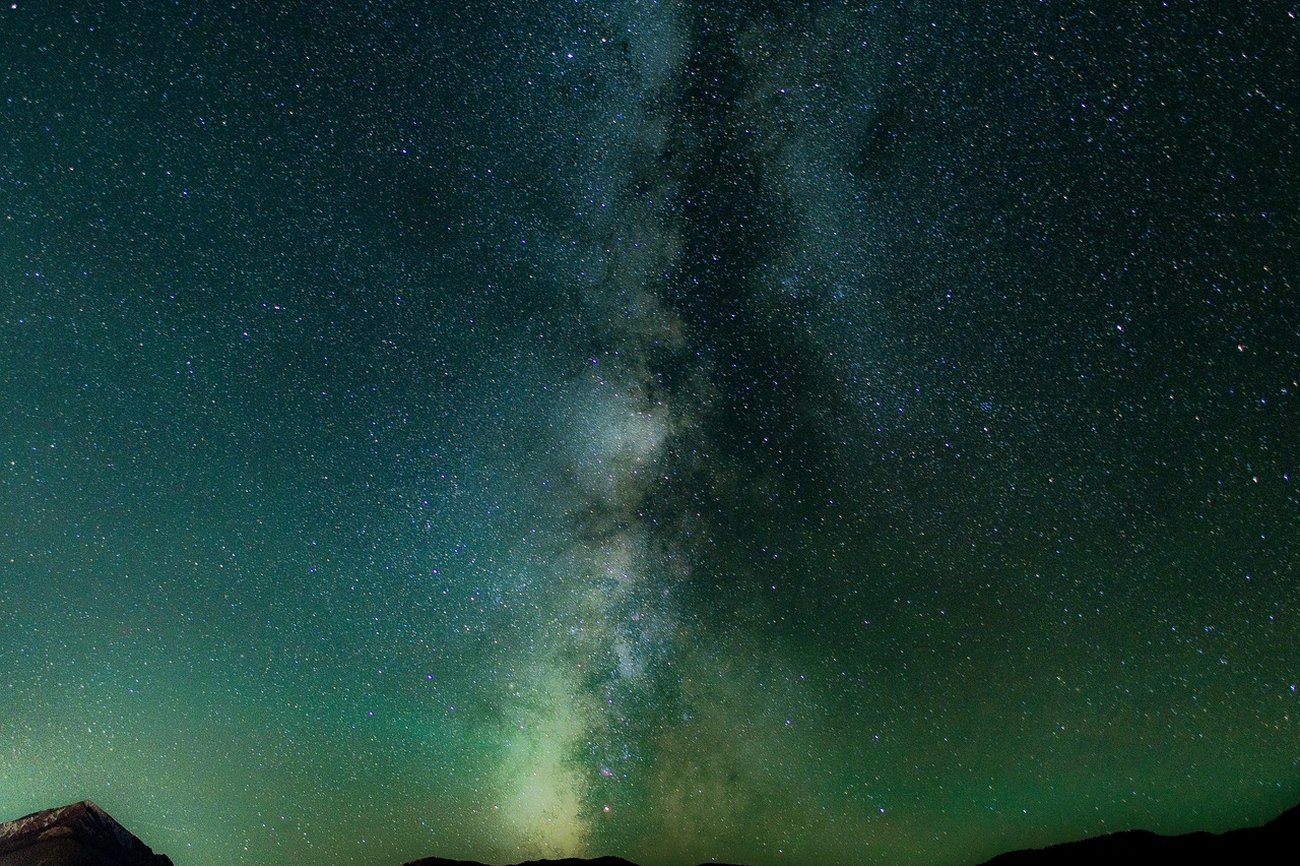
If you live in or near a major city, you've probably never seen the Milky Way. Not because it isn't there, but because the glow of artificial light has washed it out. For most people on Earth — some estimates suggest more than 80 percent — the night sky is a faded thing, a handful of bright stars in a washed-out gray. The full archive of human stargazing, the thing that shaped our myths and calendars and sense of wonder, has become invisible.
This is not a new problem. Astronomers have been warning about light pollution for decades. But the scale of the loss has become clearer in recent years, as satellite measurements and citizen science projects have mapped the spread of skyglow across the planet. The trend is not encouraging. As LED lighting replaces older technologies, and as cities continue to grow, the night sky in many places is getting brighter, not darker.
What makes the issue tricky is that light pollution is not a problem of too much light. It's a problem of badly directed light. Much of the illumination that escapes into the sky serves no purpose. It spills upward from poorly shielded fixtures, scatters through the atmosphere, and creates the hazy glow that hides the stars. Fixing it doesn't require turning off the lights. It requires pointing them down.
The Cost Beyond Stargazing
The loss of the night sky is often framed as an aesthetic problem — a shame, but not urgent. That framing misses a lot. Light pollution has measurable effects on wildlife. Migratory birds navigate by stars and are disoriented by artificial light, sometimes colliding with buildings in large numbers. Sea turtles use the brightness of the horizon to find the ocean after hatching; coastal lighting leads them inland instead. Insects, bats, and countless other species have their behavior disrupted by artificial night.
There's also a human cost. Exposure to artificial light at night disrupts circadian rhythms and has been linked to sleep disorders and other health problems. And there's a cultural cost that's harder to quantify. For most of human history, the night sky was a shared reference point. It told people when to plant, when to harvest, when to celebrate. It inspired stories, religions, and the first scientific questions. When we lose it, we lose a thread that connects us to everyone who came before.
Astronomers feel the loss most acutely. Ground-based observatories are increasingly threatened by the glow of nearby cities, and the growth of satellite constellations is adding a new layer of interference. Some telescopes now have to schedule observations around the passage of bright satellites, and the problem is expected to get worse as more constellations launch.
What Can Be Done
The good news is that light pollution is one of the most reversible environmental problems we face. Unlike carbon in the atmosphere or plastic in the ocean, light disappears the moment you turn it off. Cities that have adopted lighting ordinances — shielding fixtures, using warmer colors, dimming lights when not needed — have seen rapid improvements. In some places, the Milky Way has returned within a few years.
There are also simple things individuals can do. Use outdoor lights only when needed. Choose fixtures that direct light downward. Support local policies that promote dark-sky practices. Visit a dark-sky park or reserve if you can — there are now more than a hundred around the world, and they offer a reminder of what the night sky is supposed to look like.
The night sky is not just a backdrop. It's the original view. It's what our ancestors looked up at when they first wondered what was out there. And it's still there, waiting, if we're willing to turn down the lights and look.





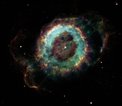
Light pollution has erased the Milky Way for most of the world's population, and the loss is about more than just stargazing.
More than four decades after launch, the Voyager probes still carry a golden record meant to introduce humanity to anyone — or anything — that might one day find it.
Mars is the most reachable planet in our solar system, and yet every mission to it reminds us how far away it really is.
A rocket launch is not just an engineering feat; it is a moment when thousands of people collectively hold their breath.
The James Webb Space Telescope has given us images of deep time, and each one is a reminder that we are looking backward into the universe's childhood.