



What the James Webb Telescope Is Really Showing Us
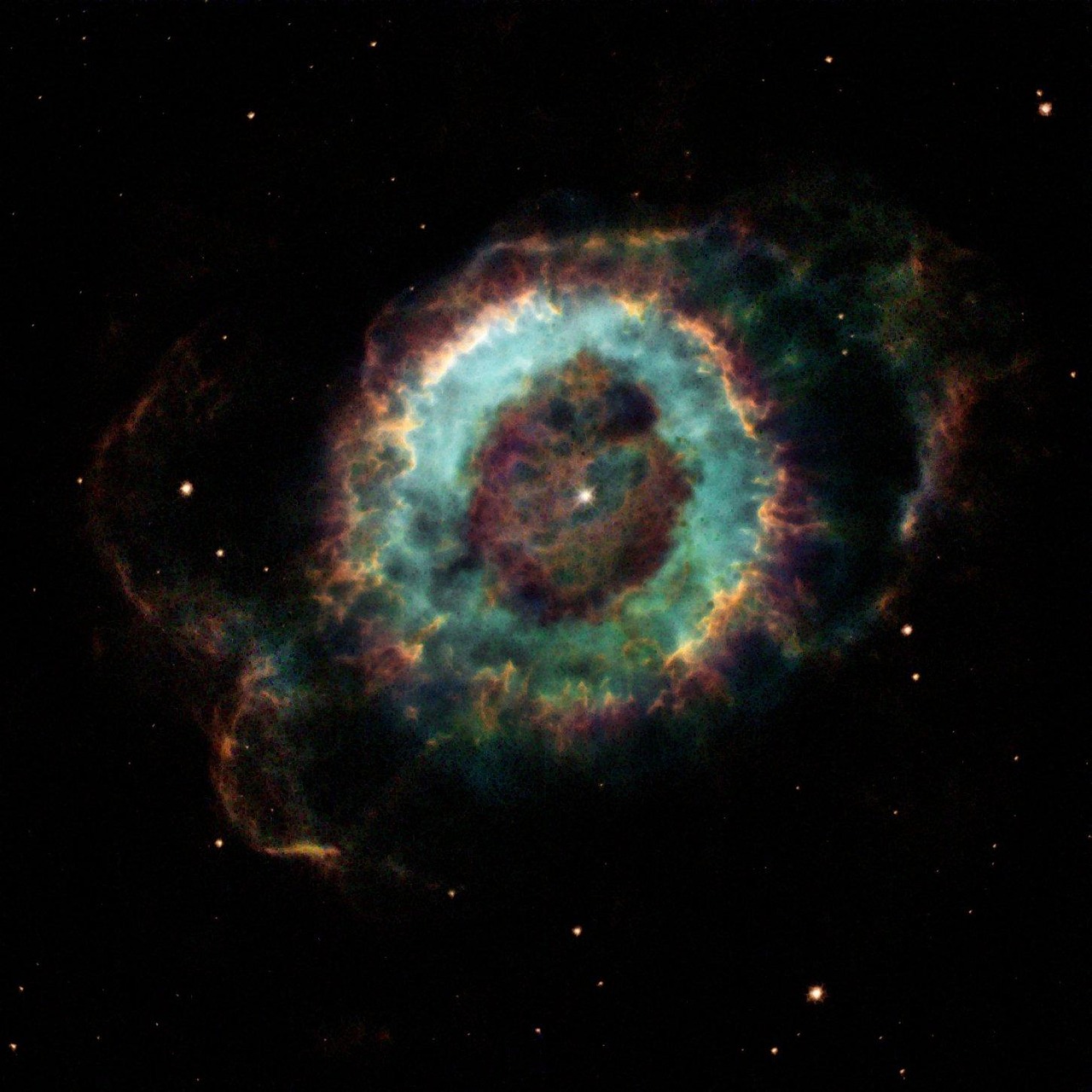
When the first images from the James Webb Space Telescope were released, people reacted with something close to disbelief. There were nebulae that looked like torn silk, galaxies shaped like spirals and smudges, and a deep field image filled with thousands of galaxies in a patch of sky the size of a grain of sand held at arm's length. The images were beautiful, but that was not the point. The point was the time.
Webb is designed to see infrared light, which allows it to peer through clouds of dust and gas that block visible light. It also allows it to see very old light — light that has been traveling toward us for billions of years. When Webb looks at a distant galaxy, it is not seeing that galaxy as it is now. It is seeing it as it was when the universe was young. In a very real sense, Webb is a time machine.
Looking Back to the Beginning
One of Webb's main goals is to study the first galaxies that formed after the Big Bang. These galaxies are so far away that their light has been stretched by the expansion of the universe, shifting from visible light into the infrared. Before Webb, we could not see them clearly. Now we can. And what we are finding is that the early universe was more active and more complex than many scientists expected.
Webb has also turned its attention to exoplanets — planets orbiting other stars. By analyzing the light that passes through their atmospheres, it can detect molecules like water, carbon dioxide, and methane. This is not the same as finding life. But it is a step toward understanding which worlds might be habitable, and which are not. Every spectrum is a small clue in a very large puzzle.
Why It Matters
It is easy to get lost in the technical details of Webb, but the human meaning is simpler. We are a species that wants to know where we came from. Webb helps answer that question on the largest possible scale. It shows us that the universe has a history, that it has changed over time, and that we are part of that story.
The images also do something else. They make us feel small, but not in a diminishing way. They make us feel like part of something vast and old and still unfolding. When you look at a Webb image, you are not just looking at a galaxy. You are looking at a version of the past that existed before Earth was formed. And somehow, against all odds, you are here to see it. That is not just astronomy. That is a kind of poetry written in light.



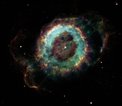
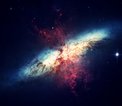
The James Webb Space Telescope has given us images of deep time, and each one is a reminder that we are looking backward into the universe's childhood.
Space is empty, cold, and silent — and yet, for many people, looking up at it is one of the most grounding experiences there is.
Astronauts describe a profound shift in perspective when they see Earth from orbit — here's what that transformation actually feels like and why it matters for the rest of us.
In 1990, Voyager 1 turned around and took a picture that Carl Sagan said should be seared into our minds — here's the story behind the most humbling image ever made.
The universe is vast and old, so where is everybody? The Fermi paradox remains one of the most unsettling questions in modern science.