



The Fermi Paradox: Why Haven't We Heard From Anyone?
In the summer of 1950, physicist Enrico Fermi was walking to lunch with colleagues at Los Alamos when the conversation turned to flying saucers and interstellar travel. According to the accounts that survive, Fermi listened quietly, then asked a simple question: "Where is everybody?" The room reportedly fell silent. Everyone understood what he meant.
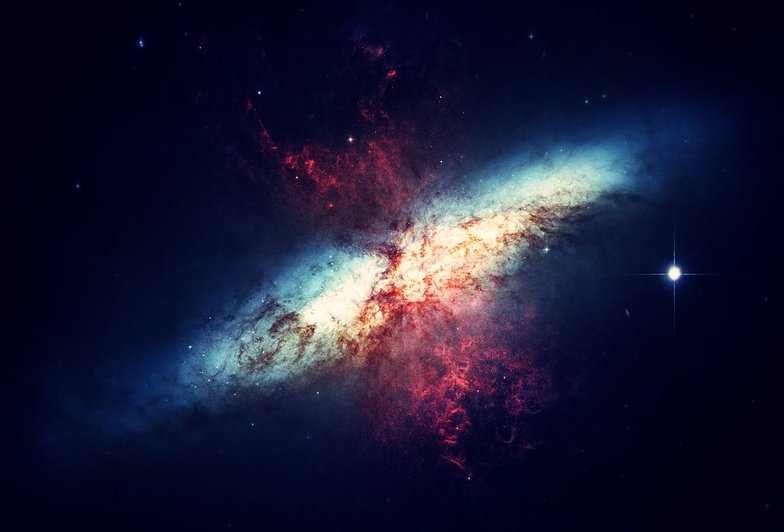
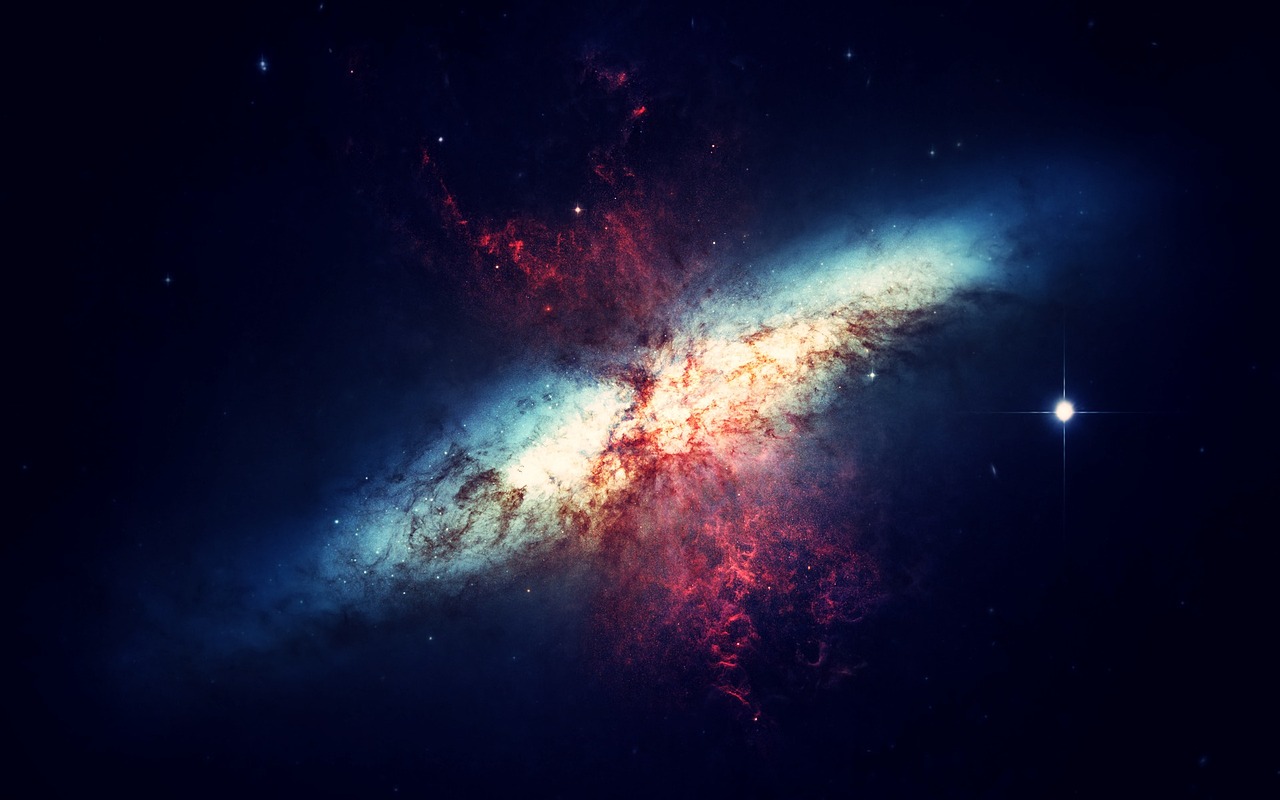
The logic is straightforward. The Milky Way is roughly 13 billion years old and contains hundreds of billions of stars. Many of those stars have planets. If even a small fraction of those planets could support life, and if even a small fraction of those developed intelligent civilizations, then the galaxy should be full of them. Some should have had millions of years to spread out, colonize, or at least send signals. And yet we see nothing. No probes, no transmissions, no evidence of anyone else. The silence is the puzzle.
The Fermi paradox isn't a single mystery. It's a family of possible explanations, and each one says something different about who we are and what might be waiting for us — or not waiting.
The Most Common Answers
One popular explanation is that life is rare. Maybe the conditions that produced Earth — a stable star, a large moon, a magnetic field, a protective gas giant, plate tectonics — are far less common than we assume. This is sometimes called the "rare Earth" hypothesis. If complex life requires an improbable chain of events, then we might genuinely be alone in the galaxy, or close to it.
Another explanation is that intelligent life tends to destroy itself. This is the "great filter" idea. Somewhere between the origin of life and the emergence of a star-faring civilization, there may be a step that almost no species survives. That step could be behind us (we made it through) or ahead of us (we haven't yet). The uncertainty is part of what makes the idea so uncomfortable.
A third possibility is that civilizations exist but don't want to be found. They might broadcast only briefly, or encrypt their signals, or deliberately avoid contact. This is sometimes called the "dark forest" hypothesis — the idea that the universe is quiet because everyone who survives learns to stay hidden.
There are also more mundane explanations. Maybe we haven't been listening long enough, or with the right instruments. Radio astronomy is less than a century old. Our searches have covered only a tiny fraction of the sky, across a narrow range of frequencies, for a very short time. It's possible that the galaxy is buzzing with signals we simply haven't learned to hear.
Why the Question Matters
The Fermi paradox is often treated as a puzzle for astronomers, but its implications reach much further. If we are alone, then the emergence of intelligence on Earth is an event of almost incomprehensible rarity — and the responsibility for preserving it falls entirely on us. If we are not alone, then we have to ask why contact hasn't happened, and what that silence implies about the likely future of civilizations like ours.
Either answer is profound. Either answer should change how we think about our place in the universe. And either answer is, for now, out of reach.
What makes the paradox so durable is that it doesn't require any exotic assumptions. It only requires arithmetic and a willingness to sit with the silence. The stars are old. The galaxy is huge. We are here. And yet, so far, no one has answered.
Maybe the answer is that we haven't looked hard enough. Maybe it's that we're early. Maybe it's that we're late. Or maybe the silence is the answer, and we just don't like what it says. Whatever the case, Fermi's question remains open — and it will stay open until someone, somewhere, breaks the quiet.






The universe is vast and old, so where is everybody? The Fermi paradox remains one of the most unsettling questions in modern science.
Long-duration spaceflight is as much a psychological challenge as a physical one — here's how crews prepare for months of confinement, distance, and silence.
Light pollution has erased the Milky Way for most of the world's population, and the loss is about more than just stargazing.
More than four decades after launch, the Voyager probes still carry a golden record meant to introduce humanity to anyone — or anything — that might one day find it.
Mars is the most reachable planet in our solar system, and yet every mission to it reminds us how far away it really is.