





The Loneliness of Space and the Comfort of Looking Up
Space is not a friendly place. It is a vacuum, it is full of radiation, and it is so large that the distance between stars is measured in years of travel at the speed of light. There is no air, no sound, no warmth unless you bring it with you. When astronauts describe spacewalks, they often talk about the silence. Not a peaceful silence, but an absolute one. The kind of silence that makes you aware of your own heartbeat.
And yet, for people on the ground, looking up at the night sky is often a source of comfort. It is a strange contradiction. The same universe that is indifferent to us is also the thing we turn to when we feel small or lost. There is something about the stars that makes personal problems feel temporary. Not unimportant, but temporary.
The Overview Effect from Below
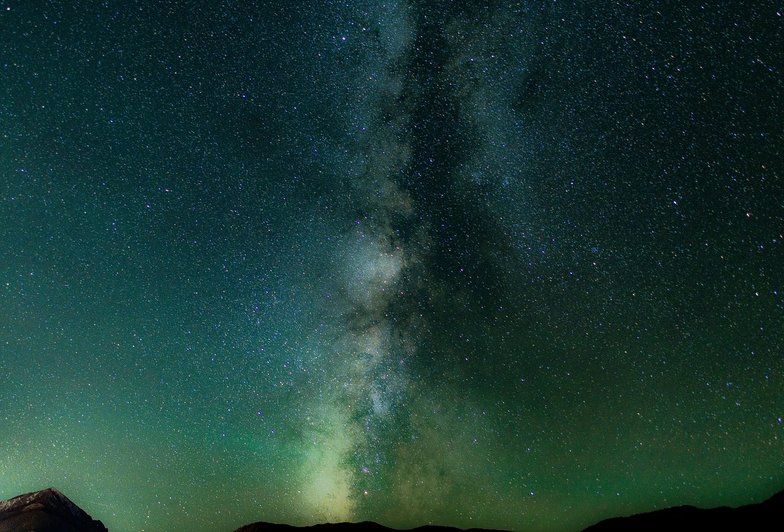
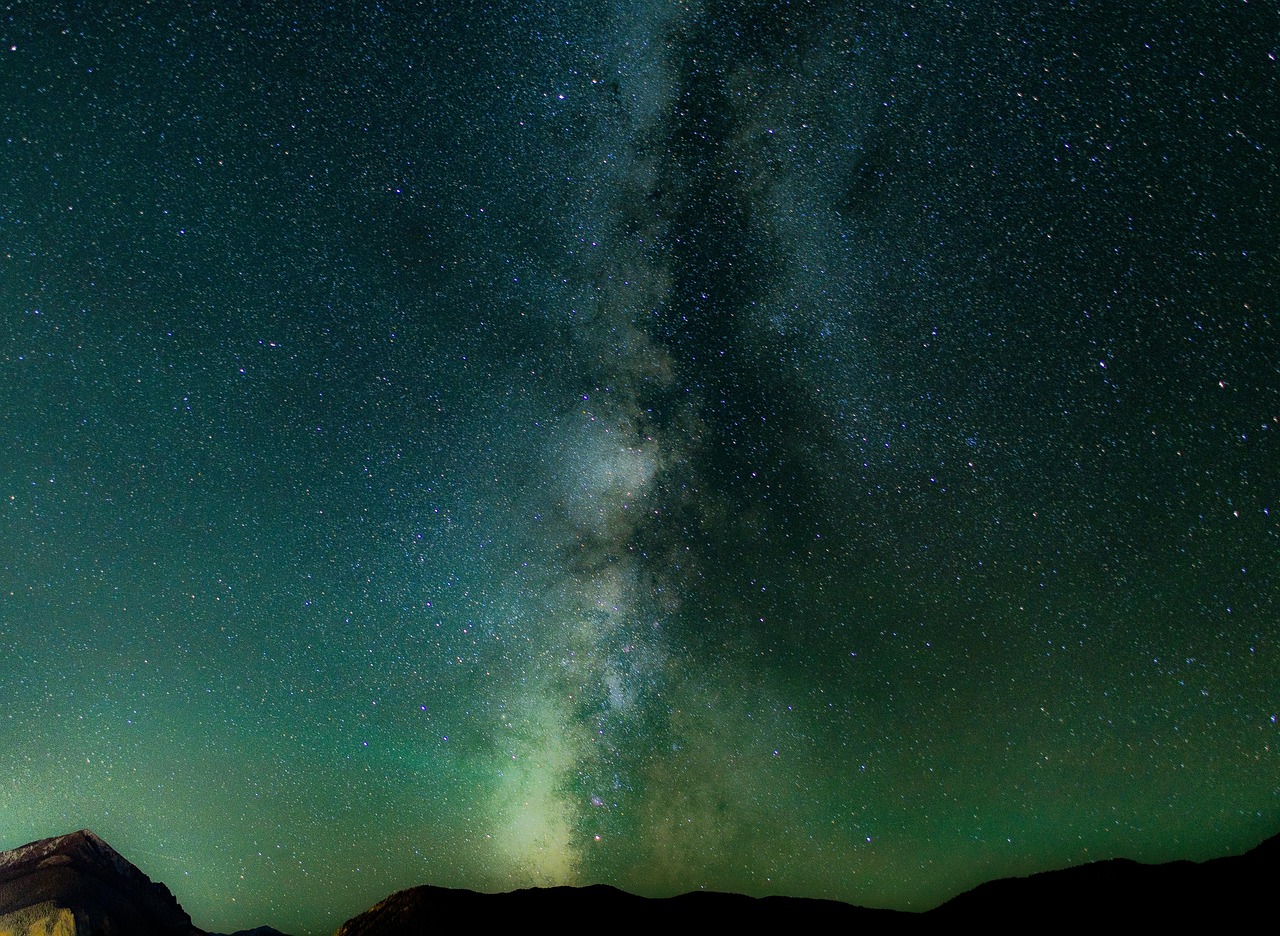
The overview effect is usually described as something astronauts experience when they see Earth from space. But there is a version of it available to anyone who takes the time to look up. It happens when you step outside on a clear night, away from city lights, and see the Milky Way stretched across the sky. It happens when you realize that the light you are seeing left those stars before you were born.
This is not the same as seeing Earth from orbit. Nothing is. But it is a cousin of that experience. It is the feeling of being part of something larger than yourself, and of being small in a way that is not humiliating but freeing. You are not the center of the universe. You are a temporary arrangement of atoms on a small planet, and that is okay.
Why We Keep Looking Up
People have looked up for as long as there have been people. Ancient cultures built monuments aligned with the stars. Sailors navigated by them. Poets wrote about them. Scientists studied them. The night sky has always been a shared reference point, something that connects us across time and distance.
Today, that connection is fragile. Light pollution hides the stars from most people living in cities. Satellites streak across the sky in increasing numbers. The night sky is becoming a resource that not everyone can access. But when you do find a dark place and look up, the feeling is still there. It is the same feeling your ancestors had. It is the feeling of being watched over by something vast, even if that something is just physics and time.
Space is lonely. But looking up is not. It is a reminder that we are here together, on a small blue world, under the same sky. And that is enough.





Space is empty, cold, and silent — and yet, for many people, looking up at it is one of the most grounding experiences there is.
Astronauts describe a profound shift in perspective when they see Earth from orbit — here's what that transformation actually feels like and why it matters for the rest of us.
In 1990, Voyager 1 turned around and took a picture that Carl Sagan said should be seared into our minds — here's the story behind the most humbling image ever made.
The universe is vast and old, so where is everybody? The Fermi paradox remains one of the most unsettling questions in modern science.
Long-duration spaceflight is as much a psychological challenge as a physical one — here's how crews prepare for months of confinement, distance, and silence.