



The Overview Effect: What Happens When You See Earth From Space
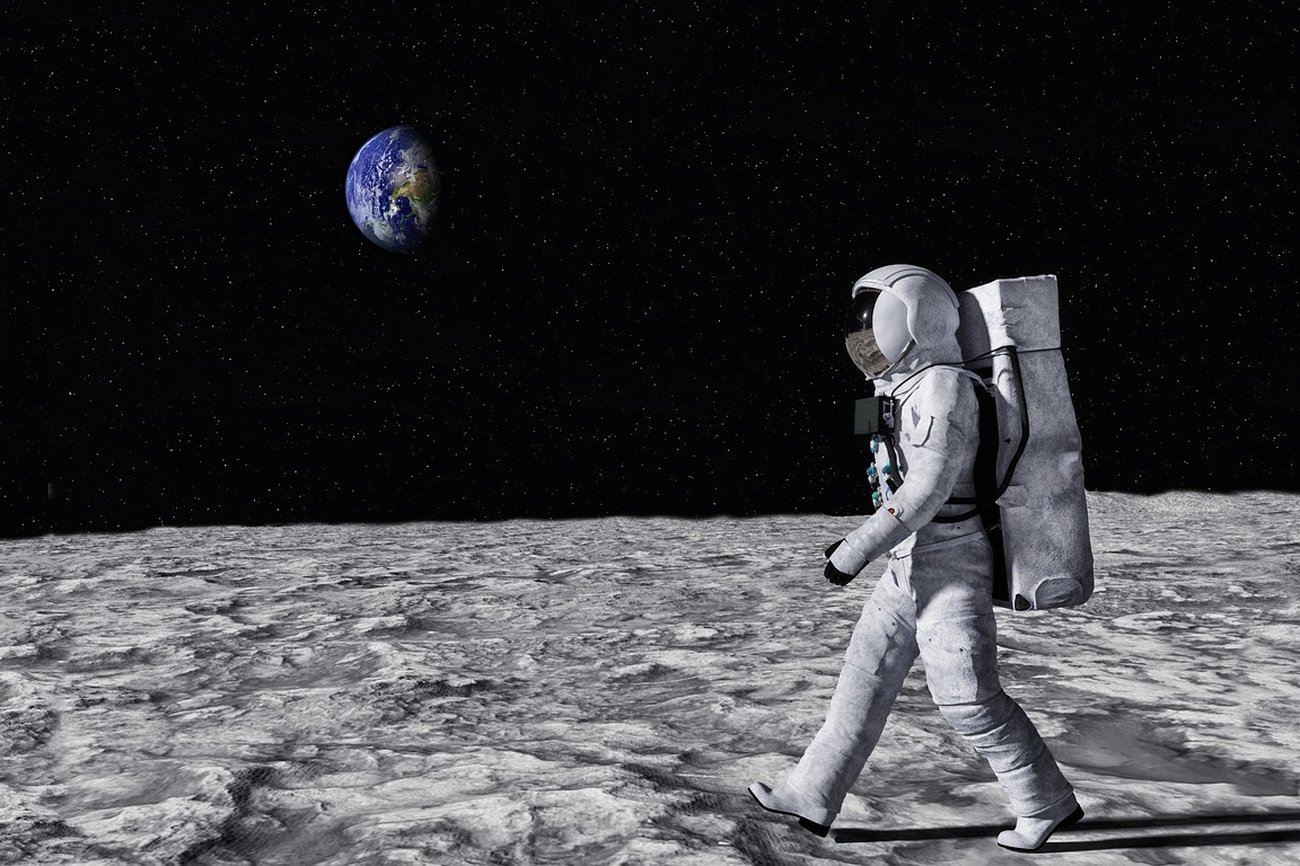
There is a moment that many astronauts describe in almost identical language, even though they arrive at it from different countries, different missions, and different lives. It happens when they look out a window — or through a camera — and see the Earth whole. Not as a map, not as a globe on a desk, but as a living sphere hanging in an ocean of black. Frank White gave this experience a name in 1986: the overview effect.
White, a writer and space philosopher, interviewed astronauts and noticed a pattern. Something about the view from orbit didn't just impress them — it changed them. They spoke of borders disappearing. They described the atmosphere as a thin, fragile film. Many said that the conflicts and divisions that consume us on the surface seemed, from that vantage, almost absurd. It wasn't just awe. It was a restructuring of how they understood their place in the world.
What's striking is how consistent this experience is across cultures and generations. Ed Mitchell, who walked on the Moon during Apollo 14, described a sense of connectedness that he said felt like an explosion of awareness. Ron Garan, who flew on the Space Station decades later, called it the "orbital perspective" — a recognition that we're all riding the same small spacecraft together. The language changes. The feeling doesn't.
Why the View Changes the Viewer
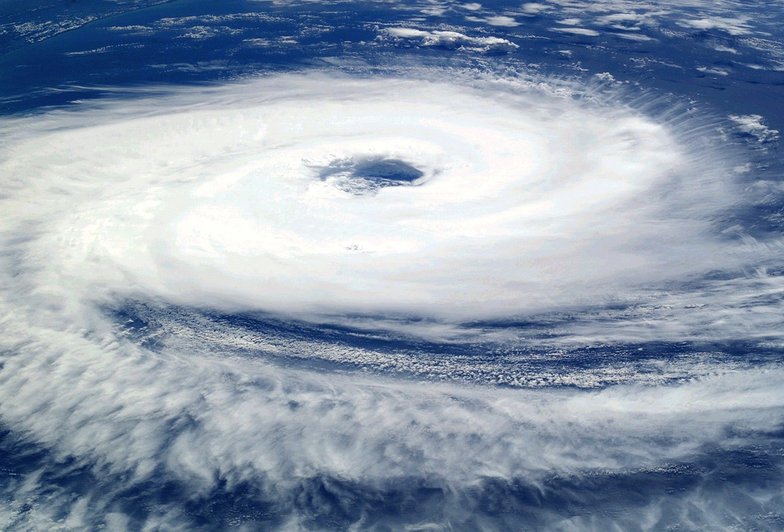
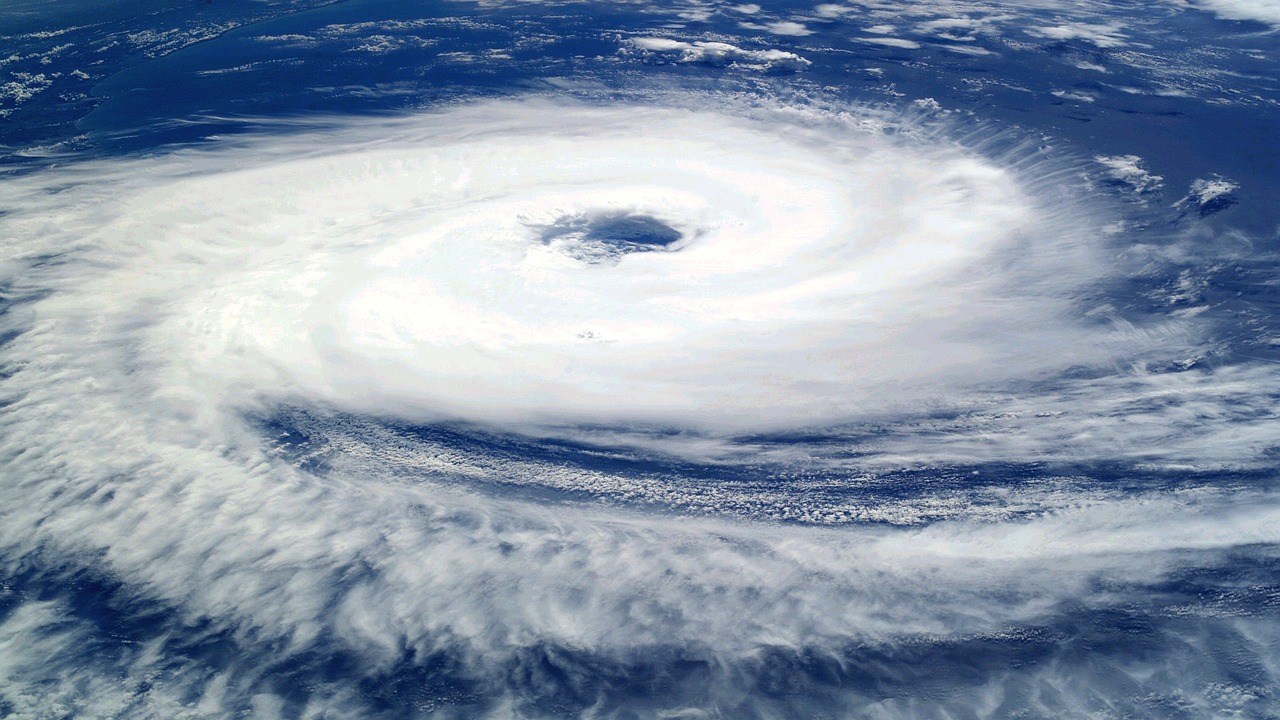
Part of the answer lies in scale. From low Earth orbit, you can see an entire continent pass beneath you in minutes. Weather systems that dominate your local news are revealed as temporary swirls. The curve of the horizon is visibly finite. Astronauts often describe the atmosphere as looking like a thin line of blue paint on a black canvas — and realizing that this line is the only thing keeping every living thing they've ever known alive.
Another part of the answer is cognitive. On Earth, we navigate through a world of edges: property lines, coastlines, national borders, cultural boundaries. These edges help us make sense of things, but they also train us to see separation as fundamental. From orbit, those edges are invisible. The planet reads as a single system — atmosphere, oceans, land, life — and the human observer is unmistakably inside that system, not above it.
There's also something quieter at work: the experience of seeing your home as a small, distant object. It's one thing to know intellectually that Earth is a planet. It's another to watch it shrink to the size of a marble in a window, then to a bright point of light, then to nothing at all. Several astronauts have said this was the moment they understood, in their bones, how alone and how precious our world is.
Can the Rest of Us Get There?
Most of us won't go to space. But the overview effect isn't reserved for astronauts. Researchers and educators have found that carefully designed experiences — planetarium shows, virtual reality reconstructions of the orbital view, high-resolution imagery of Earth from deep space — can prompt a milder version of the same shift. The key seems to be genuine immersion: the feeling that you are looking at the real thing, from the real distance, not just admiring a picture.
There's also a simpler path. Many astronauts say the effect didn't arrive suddenly. It grew from paying attention — to the fragility of the atmosphere, to the smallness of the planet, to the fact that everything we care about happens on a thin shell of rock and water and air. You can practice that attention from the ground. The Pale Blue Dot — that famous image of Earth as a single pixel in a sunbeam — was taken from billions of kilometers away, but the lesson it carries is available to anyone willing to look.
The overview effect is not really about space. It's about seeing home clearly. And that, it turns out, is something we can all try to do.
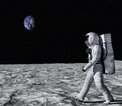
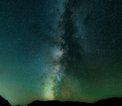
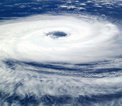

Astronauts describe a profound shift in perspective when they see Earth from orbit — here's what that transformation actually feels like and why it matters for the rest of us.
In 1990, Voyager 1 turned around and took a picture that Carl Sagan said should be seared into our minds — here's the story behind the most humbling image ever made.
The universe is vast and old, so where is everybody? The Fermi paradox remains one of the most unsettling questions in modern science.
Long-duration spaceflight is as much a psychological challenge as a physical one — here's how crews prepare for months of confinement, distance, and silence.
Light pollution has erased the Milky Way for most of the world's population, and the loss is about more than just stargazing.