



The Quiet Awe of Watching a Rocket Launch
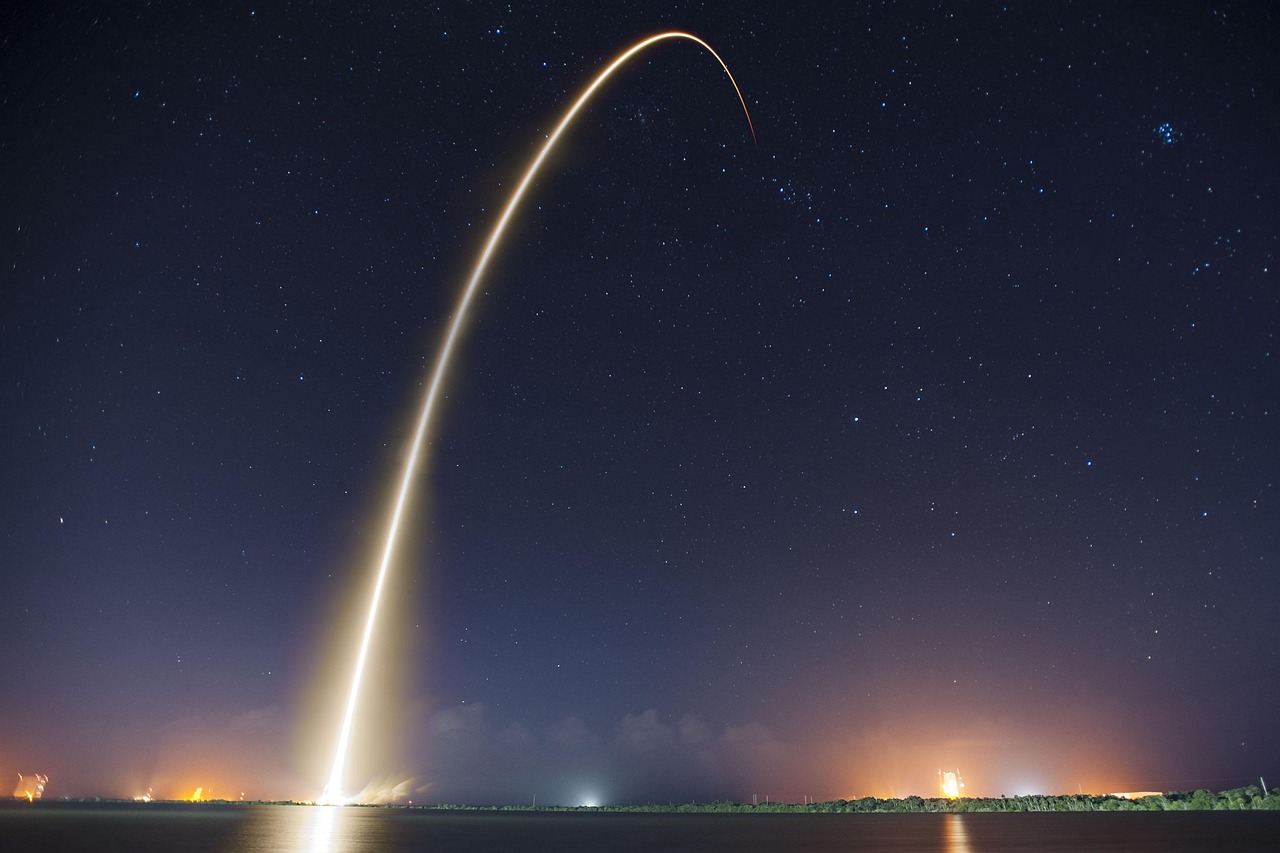
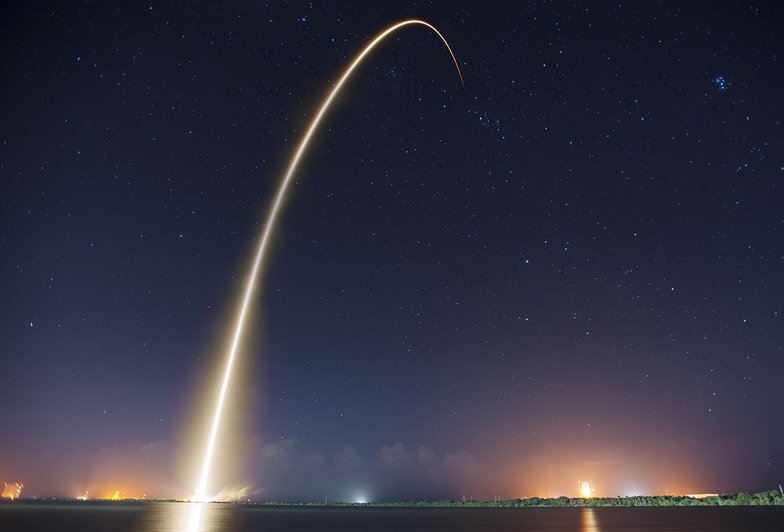
There is a particular sound a rocket makes when it leaves the ground. It is not a roar in the way movies suggest. It is more like the sky tearing open — a low, cracking rumble that you feel in your chest before you hear it. People who have watched a launch in person often describe the same thing: the surprise of the delay. You see the rocket lift off, and then, seconds later, the sound arrives.
That gap between seeing and hearing is one of the few moments in modern life when physics becomes personal. Light travels faster than sound. We know this in our heads. But standing a few kilometers from a launchpad, watching a bright column of fire rise silently into the sky, you feel it in your body. For a few seconds, the world is a silent film.
Why We Gather to Watch
Rocket launches have become communal events again. Thousands of people line the beaches and causeways near Cape Canaveral or gather in small towns near other launch sites. They bring lawn chairs, cameras, and children. They wait for hours. And when the countdown reaches zero, they cheer, cry, and hug each other. It is a strange thing to watch a machine go up and feel something so human.
Part of it is the stakes. Every launch carries risk. Astronauts, satellites, telescopes, and supplies are all riding on a controlled explosion. Part of it is the sheer improbability. Human beings built this. We figured out how to make fire push metal into the sky. And part of it is the reminder that we are still a species that looks up.
The Aftermath of Awe
After the rocket disappears, the crowd lingers. People check their phones for updates. They replay the video they just took. They talk about where the rocket is going and what it will do when it gets there. For a few hours, everyone shares a single thought: we just sent something into space.
That feeling fades, as all feelings do. But it leaves something behind. People who watch a launch often say they think differently about the sky afterward. It becomes a place instead of a backdrop. The Moon becomes a destination. Mars becomes a real address. And Earth, seen in the mind's eye from above, becomes smaller and more fragile. A rocket launch is not just a technical event. It is a quiet lesson in perspective, delivered with fire and noise and a long, slow silence.





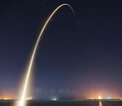

A rocket launch is not just an engineering feat; it is a moment when thousands of people collectively hold their breath.
The James Webb Space Telescope has given us images of deep time, and each one is a reminder that we are looking backward into the universe's childhood.
Space is empty, cold, and silent — and yet, for many people, looking up at it is one of the most grounding experiences there is.
Astronauts describe a profound shift in perspective when they see Earth from orbit — here's what that transformation actually feels like and why it matters for the rest of us.
In 1990, Voyager 1 turned around and took a picture that Carl Sagan said should be seared into our minds — here's the story behind the most humbling image ever made.